
Montmorency County Police Blotter
The Montmorency County Police Blotter covers incident reports, arrests, and public safety records filed by the Sheriff's Office in Atlanta, Michigan. This rural northeast Michigan county maintains records under Michigan's Freedom of Information Act, and residents can request blotter entries, arrest logs, and related documents through the Sheriff's Office.
Montmorency County Overview
Montmorency County Sheriff's Office
The Montmorency County Sheriff's Office is the primary law enforcement agency for this small rural county. It handles patrol, investigations, and records for all unincorporated areas. Atlanta serves as the county seat and is where the Sheriff's Office is based.
Records maintained here include arrest logs, incident reports, civil process records, and daily activity reports. The office accepts walk-in requests and mailed FOIA submissions. Staff can help you identify which records are available and what exemptions may apply.
| Address | 11045 M-32, Atlanta, MI 49709 |
|---|---|
| Phone | (989) 785-4238 |
| Website | montmorencycountymichigan.us/sheriff |
| Jurisdiction | Montmorency County |
How to File a FOIA Request
Michigan's Freedom of Information Act gives you the right to ask for police blotter records. You must submit a written request. It can be mailed, hand-delivered, or sent by email if the agency accepts it.
Your request should describe the records you want as clearly as you can. Include dates, case numbers if you have them, and the type of incident. The Sheriff's Office has five business days to respond. They may grant the request, deny it, or ask for more time. Under MCL 15.235, the agency must explain any denial in writing and cite the specific exemption used.
Fees for copying are set by the agency and governed by MCL 15.234. You can ask for a fee waiver if disclosure is in the public interest. If you disagree with a denial, MCL 15.240 outlines your appeal rights.
What the Police Blotter Contains
The police blotter is a daily log. It records calls for service, arrests made, and incidents handled by deputies. Each entry typically includes a date, time, location, and type of incident. In Montmorency County, the blotter reflects the mix of calls common in rural northeast Michigan: traffic stops, wildlife complaints, trespassing, domestic disputes, and property crime.
Hunting season brings a spike in calls related to poaching, accidents, and off-road vehicle violations. The county is known for deer hunting and fishing, and many seasonal residents interact with law enforcement during those periods. Blotter records during fall months reflect that pattern.
Not every detail in a blotter entry is public. Names of victims in certain cases, information about juveniles, and details that could compromise an active investigation may be withheld. The Sheriff's Office applies exemptions under MCL 15.243 when necessary. Even so, most basic incident data is available.
Arrest records are separate from blotter entries but often overlap. An arrest log shows who was booked, what charges were filed, and when. These records are generally public unless the case involves a minor or an ongoing investigation where disclosure could interfere with the process.
Online Resources for Montmorency County Records
The Michigan Courts Case Search lets you look up case filings, charges, and court dispositions across the state, including Montmorency County Circuit and District Courts.
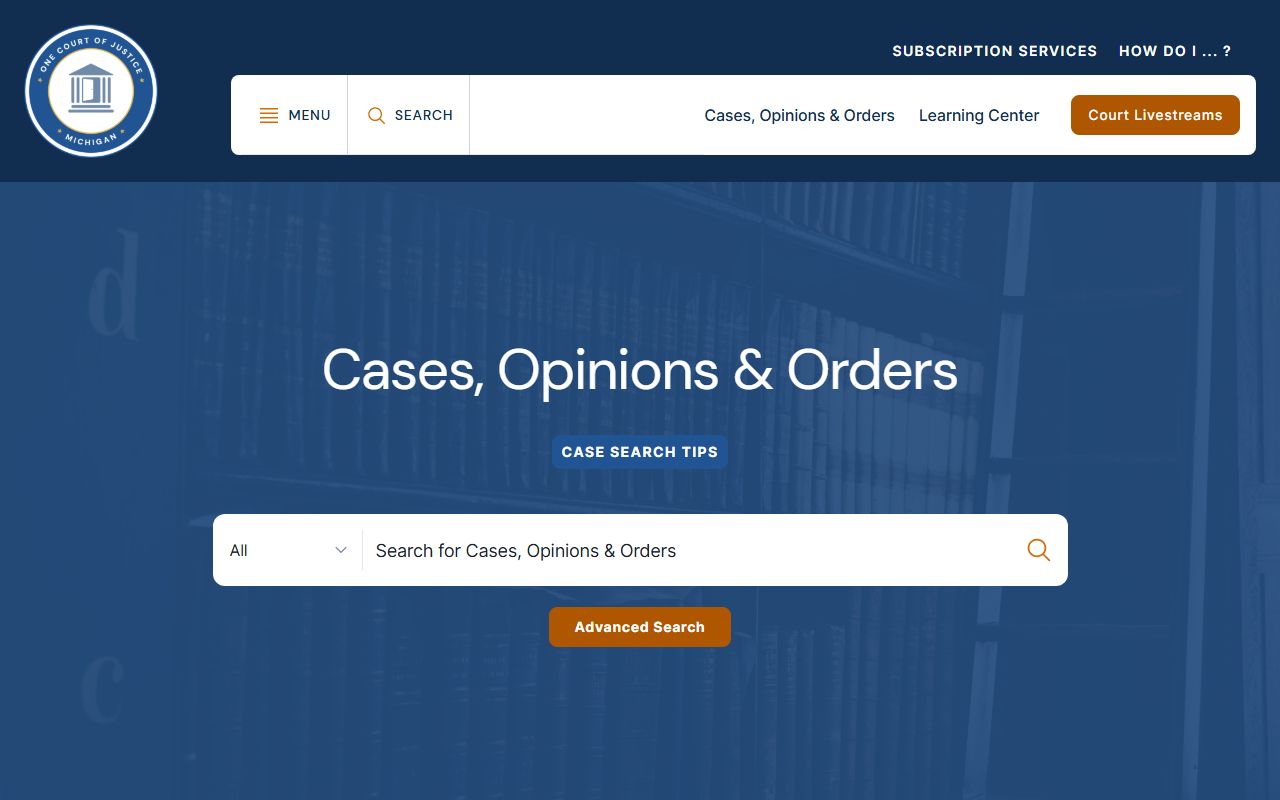
Court records can help you connect a blotter entry to a formal charge and track the outcome of a case. This is especially useful for cases that went to trial or ended in a plea.
Michigan FOIA Law and Your Rights
Michigan's Freedom of Information Act is found at MCL Act 442 of 1976. The law covers most records held by public bodies, including sheriff's offices, police departments, and courts. The key statute defining what is public starts at MCL 15.231.
Agencies must respond within five business days. They can take a ten-day extension if they notify you in writing. You have the right to appeal a denial to the head of the agency first. If that fails, you can go to circuit court. Winning in court can mean the agency pays your legal fees.
Some records are exempt from disclosure. MCL 15.243 lists those exemptions. They include personnel records, records that could endanger someone's safety, and information related to pending law enforcement investigations. The agency must tell you which exemption applies and why.